
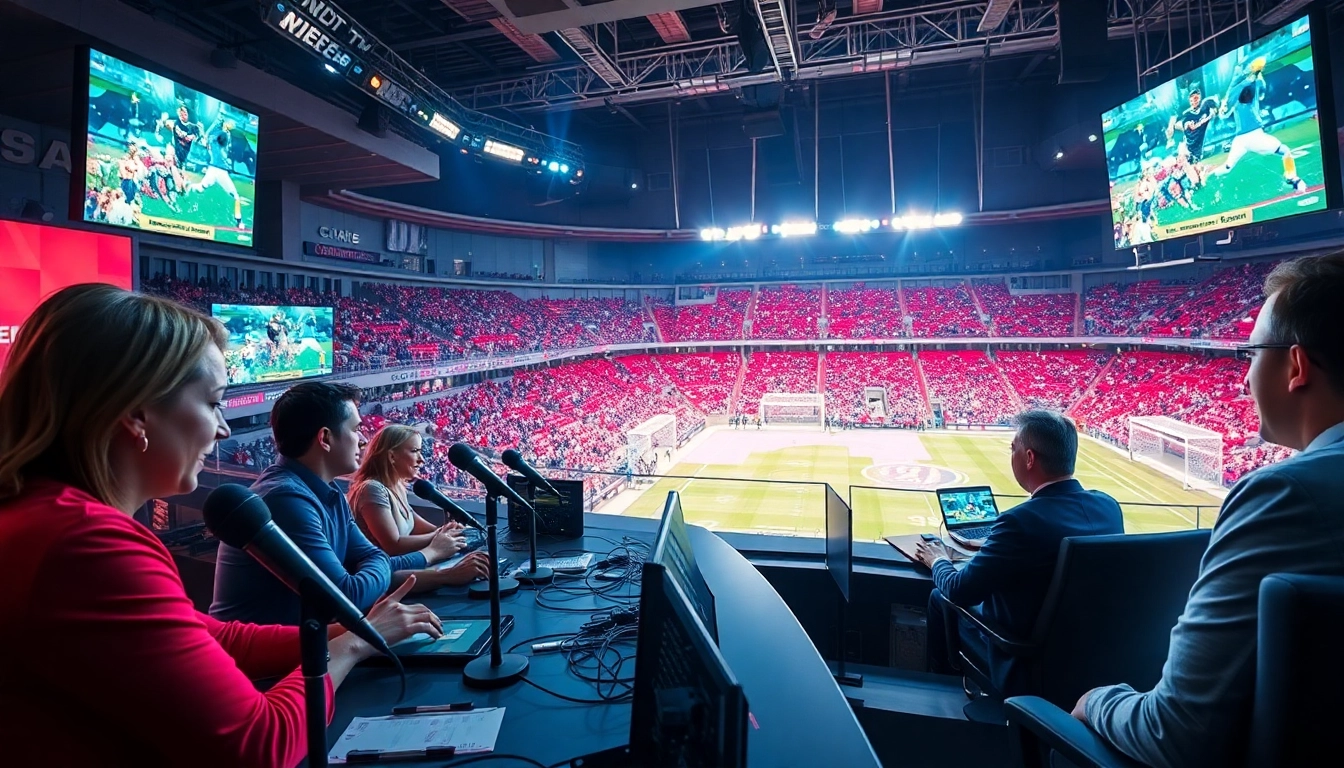
Understanding the Basics of Sports Broadcasting
What is Sports Broadcasting?
Sports broadcasting encompasses the dissemination of live or recorded sporting events to a wider audience via various media channels, including television, radio, and online streaming platforms. As one of the most dynamic segments of media, the industry merges the excitement of live sports with the needs of broadcasters to deliver engaging content to fans. Through Sports Broadcasting, audiences can experience the thrill of their favorite teams and athletes, often in real-time, while markets for merchandise and advertising thrive in the accompanying ecosystem.
Key Components of Broadcast Scheduling
Effective broadcast scheduling is crucial in maintaining audience engagement and ensuring maximum viewership. Key components include:
- Timing: Strategic selection of days and times when particular events occur can enhance viewership. Weekend games generally attract more viewers.
- Event Type: Highlighting marquee events, such as playoffs or finals, is essential to draw in larger crowds.
- Cross-Promotion: Coordinating with sponsors and related events can create synergies, tapping into different audience segments.
- Flexibility: Adapting schedules to respond to unexpected changes, such as weather conditions or team performance, ensures audiences remain engaged.
Importance of Audience Engagement in Sports Broadcasting
Audience engagement transforms passive viewership into a more interactive experience. Broadcasters are increasingly utilizing various methods to enhance this experience:
- Interactive Features: Live polls, trivia games, and social media integration allow viewers to interact in real-time, boosting their investment in the broadcast.
- Fan Personalization: Tailored content based on viewer preferences can foster a stronger connection between fans and their favorite teams.
- High-Quality Production: Using engaging storytelling techniques and high-definition visuals can significantly enhance viewer immersion.
The Role of Technology in Sports Broadcasting
Advances in Broadcast Equipment
The evolution of sports broadcasting is largely driven by technological advancements. New equipment enhances both production quality and viewer experience.
- High-Definition Cameras: They provide stunning visuals, making audiences feel as if they are part of the action.
- Multiple Camera Angles: Offering various angles helps convey the drama of games, adding depth to the viewing experience.
- Real-Time Analytics: Graphs and stats displayed during broadcasts enrich viewer understanding of the game dynamics.
Live Streaming: Benefits and Challenges
Live streaming has revolutionized how sports are consumed globally. With mobile devices and high-speed internet virtually ubiquitous, fans enjoy sports in ways previously unimagined. However, this innovation presents challenges:
- Accessibility: While streaming expands reach, it is essential that broadcasts remain accessible to all demographics, avoiding technological barriers.
- Quality Control: Ensuring consistent stream quality is paramount in retaining user satisfaction and engagement.
- Monetization: Finding effective ways to generate revenue from digital platforms without alienating users through excessive ads is critical.
Innovations in Augmented Reality for Enhanced Viewing
Augmented reality (AR) is gaining traction in the realm of sports broadcasting, promising immersive experiences. Key innovations include:
- Real-Time Stats Overlays: AR can deliver live stats seamlessly integrated into the game, enhancing viewer understanding.
- Interactive Experiences: Fans can engage with additional content through their devices, such as player bios and tactical breakdowns during live games.
- Enhanced Replays: 360-degree replays and AR-enhanced highlights create richer visual narratives, ensuring viewers do not miss crucial moments.
Legal and Ethical Considerations in Sports Broadcasting
Copyright Issues and Licensing Agreements
One of the most pressing concerns in sports broadcasting is the legality surrounding content distribution. This includes:
- Licensing Rights: Broadcasters must navigate the complexities of acquiring rights for each sport and event.
- Copyright Infringement: Unauthorized use of footage can lead to significant legal repercussions.
- Content Distribution Agreements: Securing partnerships can be vital for future broadcasts, allowing for lucrative advertising opportunities.
Fair Play: Ethical Broadcasting Standards
Maintaining ethical standards is paramount in sports broadcasting. This includes:
- Accuracy: Providing factual information and avoiding sensationalism maintains credibility and trust with the audience.
- Respect for Athletes: Broadcasting should always consider the dignity of the athletes involved, refraining from invasions of privacy.
- Diversity and Inclusion: Fair representation of various sports, athletes, and cultures fosters a more vibrant and inclusive viewing experience.
The Impact of Fraud and Misinformation
Misinformation can significantly affect public perception and trust. Broadcasters face challenges such as:
- Combatting Fake News: Accurate reporting is essential to uphold journalistic integrity.
- Transparency: Broadcasters should be open about sourcing news and updates to build audience trust.
- Regulations: Adhering to industry regulations can mitigate the spread of false information.
Strategies for Successful Sports Broadcasting
Developing Compelling Sports Content
The creation of engaging content lies at the core of successful sports broadcasting. Essential strategies involve:
- Storytelling: Every game has narratives. Crafting compelling stories around players, teams, and events captivates audiences.
- Expert Commentary: Insightful commentary enhances the viewing experience, providing depth that casual fans may lack.
- Fan Involvement: Incorporating fan suggestions and insights can create a stronger bond between broadcasters and audiences.
Utilizing Social Media for Broader Reach
Engaging with audiences through social media platforms has proven effective for boosting viewership:
- Real-Time Updates: Live tweets and posts during events create buzz and keep fans engaged while they watch.
- Content Sharing: Clips, highlights, and behind-the-scenes footage shared on social media can attract new audiences.
- Community Building: Creating forums and groups on social platforms encourages discussion, fostering a loyal fan base.
Measuring Success: Key Performance Indicators
Understanding the effectiveness of broadcasting requires the analysis of various performance indicators:
- Viewership Ratings: Analyzing peak viewing times and audience demographics provides insights into audience preferences.
- Engagement Metrics: Interactions on social media, including shares and comments, can indicate content resonance.
- Advertisement Revenue: Monitoring ad sales and sponsorship deals showcases the financial health of broadcasts.
Future Trends in Sports Broadcasting
Predicting the Next Big Changes in the Industry
The sports broadcasting landscape is rife with potential changes driven by technological and societal shifts. Future trends include:
- Increased Personalization: Future broadcasts may heavily rely on AI and machine learning to provide tailored content to viewers.
- Virtual Reality Experiences: Advances in VR may allow fans to feel as though they are physically present at events.
- Subscription Models: More broadcasters may adopt subscription-based models, focusing on exclusive content.
The Importance of Viewer Analytics
As broadcasters move forward, leveraging viewer analytics will be paramount. Metrics to consider include:
- Viewer Retention: Understanding why viewers stay or leave is crucial to improving content offerings.
- Behavioral Insights: Gathering data on how different audience segments interact helps tailor content accordingly.
- Feedback Loops: Continuous collection of viewer feedback drives ongoing improvements in broadcast strategies.
Sustainable Practices in Sports Broadcasting
Sustainability has emerged as an essential focus in broadcasting. Future directions include:
- Eco-Friendly Production: Using sustainable practices in production minimizes the environmental footprint of broadcasts.
- Community Involvement: Engaging with local communities through partnerships can enhance goodwill and support.
- Corporate Responsibility: Balancing profit motives with ethical considerations ensures broadcasting contributes positively to society.
Frequently Asked Questions
What is the primary aim of sports broadcasting?
The main goal is to deliver live sports events to audiences while maximizing engagement and maintaining high production quality.
How has technology changed sports broadcasting?
Technology has transformed sports broadcasting through high-definition visuals, real-time stats, and interactive features, enhancing viewer experience.
What ethical standards are important in sports broadcasting?
Ethical standards include accuracy in reporting, respect for athletes' privacy, and fair representation across diverse sports and cultures.
How can social media be utilized in sports broadcasting?
Social media can amplify viewership by sharing live updates, highlights, and engaging with fans to build community around broadcasts.
What are key metrics to measure sports broadcasting success?
Key metrics include viewership ratings, audience engagement levels, and advertising revenue to assess the effectiveness of broadcasts.